Second Spring: Peri-Menopause & TCM
In Traditional Chinese Medicine (TCM), the “Second Spring” refers to a period of transition that occurs as a woman's flow of “Tian Gui” (Heavenly Water) or menstrual cycle stops. From a Western perspective, the menopausal period is marked from the transition from reproductive function to non-reproductive function, which is marked by declining ovarian function and cessation of or irregular menstrual cycles. This can occur over the span of 2-5 years with varying symptoms that accompany this transitional stage.
From the TCM view, Second Spring marks a time of renewal, vitality, and wisdom. Second Spring is described as a time of authenticity and a rooted awareness of one’s own values, rather than living within constraint of the opinions of others. This idea is echoed across many Indigenous cultures, as Elders are revered and respected for their accrued knowledge.
7 Year Life Cycles
In one of the classic texts of Chinese Medicine, Suwen (Simple Questions), they describe the 7 year cycles of women (8 year cycles for men). In the text, they describe the perimenopausal period that occurs around age 49 (7x7). This period is when the menstrual cycle stops and women enter into a new role in life. This still rings true today, as the global median age for women’s menopause occurs around 48.8 years (Source). Thus, many women experience changes, or peri-menopause, from their early 40s. The age that menopause occurs for each woman depends on many factors, including smoking, puberty age, obesity, and even education and marriage status (Source).
Factors of Late Menopause:
Later menarche
Married women
Oral contraceptive use
Factors of Early Menopause:
Early menarche
Older age of first delivery
Smoking
Single women
Hypertension
Thyroid and autoimmune disease
Lifestyle Influences in Peri-Menopause
As mentioned above, various factors can influence the timing that perimenopause begins, but they also influence how we feel and cope through this transition. Why is it that some women experience intense menopausal symptoms while others don’t? While genetics play a factor, our lifestyle influences a large majority of our health experiences. If our foundation is strong, we can experience little to no symptoms through perimenopause.
Having a strong foundation going into peri-menopause, like healthy sleep patterns, gentle activity, holistic nutrition, and stress management are key contributors to a smooth transition period. Oftentimes, overwork is a common area that is overlooked for so many women. Overwork can include not scaling back or delegating our work and home responsibilities.
Historically, women carry the burden of home and childrearing responsibilities, which hasn’t shifted since women have entered the workforce. Instead, women feel guilty for not being able to keep up with the demands of the home and kids, while working full-time. This chronic stress can lead to burnout and impact other areas of our health, such as sleep, energy, digestion, and hormones. These are key areas that acupuncture seeks to address, while also giving yourself permission to say no to more and more responsibilities.
Holistic Support through Peri-Menopause
Starting to support your body through lifestyle changes, herbs, acupuncture, and nutrition well before peri-menopause begins is key. Acupuncture, and really the foundational premise of TCM, is all about prevention.
Easing the Burden
A big component of supporting our bodies is lessening our exposure to chronic stress. While this isn’t always possible during difficult periods of life, there are ways to find little pockets that we can either empty completely or lessen the load of. It is important here to practice delegation whenever possible, which includes asking for help from our family, friends, and community. Are there responsibilities that are no longer serving us? Are there requests that we can say no to?
Acupuncture
Acupuncture has long been used to support the body through various transitional periods and signs of imbalance. Each individual is unique and so are your acupuncture sessions. Acupuncture always seeks to address the root cause of imbalance, which takes time to manifest. I typically recommend monthly acupuncture sessions for those seeking preventative health support.
Herbs & Nutrition
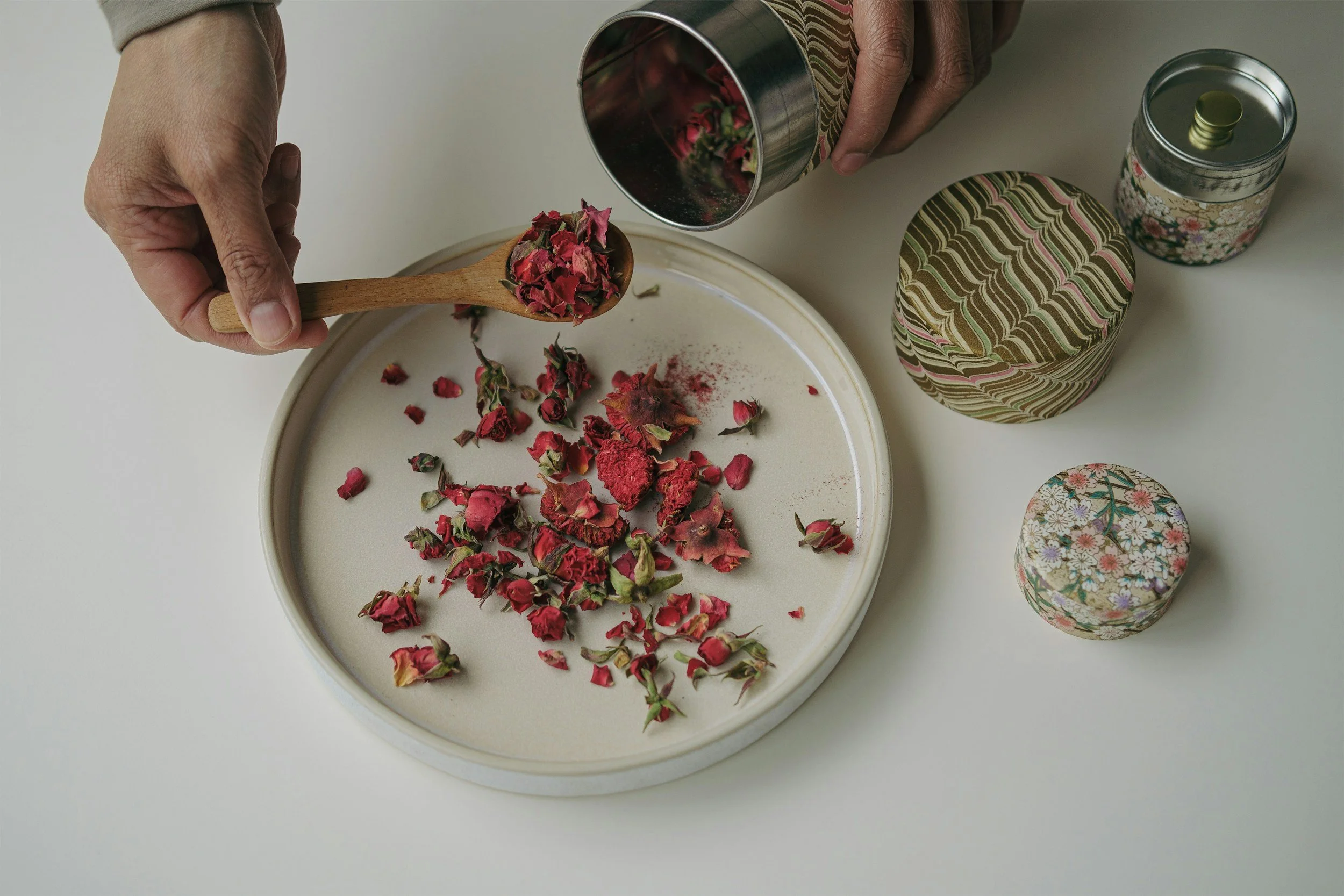
The same idea with acupuncture, herbs and nutrition advice needs to be personalized to your unique constitution. But general support in this area will include eating at regular hours, ideally with our biggest meals in the morning and lightest in the evening. This supports our nervous system in staying regulated throughout the day. Each meal should consist of a balance of whole foods, with protein, fibre, and colour. Common herbs that can be incorporated into our food or teas that support nervous system regulation include goji berries, rose, nettles, and holy basil. More individualized recommendations for herbs or formulas are provided during assessment.